Do you struggle with aching knees after your morning runs?

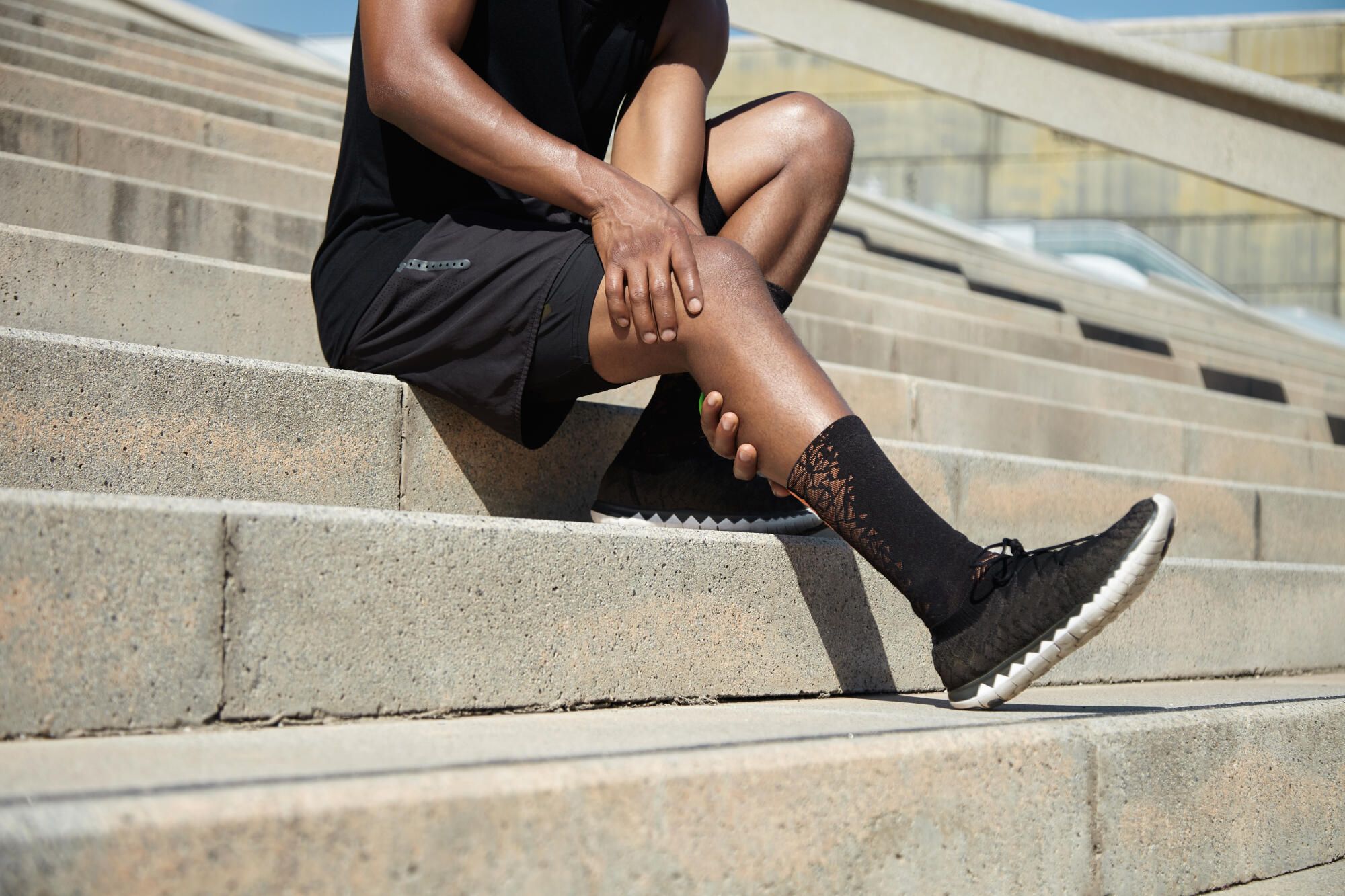
Some reasons why you might be experiencing runner’s knee (that is, knee pain) when jogging or running are that you might be increasing training too quickly, you might have bad running technique, or your footwear might need updating. Impact exercises need to be started with care.
It’s important to do what you can to stay fit in today’s world, where most of us spend most of our day sitting on chairs, couches, or car seats. Running is a great activity to get you off that couch, moving, and into the aerobic zone.
More than 50 million Americans ran or jogged in 2024, according to Ringly.io. However, this activity can be quite hard on your knees and other joints. If you are the kind of person who likes to run but gets knee pain every single time you do, there are certain ways to alleviate this issue of joint inflammation.
Training Changes Can Put Extra Stress On The Knees
One common reason for post-run discomfort is increasing training too quickly.
Adding distance, speed, hills, or additional running days can place greater demands on the muscles and joints. If the body does not have enough time to adapt, soreness or discomfort may develop.
Gradually increasing training volume and including appropriate recovery days can help reduce unnecessary strain. That means not going for a 12-mile run on your first day out after a while and giving your body enough time to rest in between long run days.
Running Form May Play A Role
Every runner has a natural movement pattern, but certain technique issues may contribute to discomfort. The following can affect how forces are distributed while running:
- Overstriding
- Changes in cadence
- Excessive inward movement of the knee
- Other biomechanical factors
These issues are not necessarily problems for every runner, but persistent pain may warrant an assessment by a qualified sports medicine professional or physical therapist, like those at MTP Health.
Footwear Deserves Attention
Running shoes gradually lose their cushioning and structural support.
Worn footwear may not be the sole cause of knee pain, but it can be worth evaluating if discomfort appears after a change in shoes or after extensive use. Runners should consider the following when selecting footwear:
- Fit
- Comfort
- Running surface
- Training style
- Individual needs
There is no single shoe that works best for everyone. Also, if you run a lot, then you will need to replace your running shoes more often as well. Don’t wait until your knee starts hurting before you buy new shoes.
Every three months (or 300-500 miles) is a good rule of thumb for replacing running shoes.
Get Knee Pain After Running? Update Your Form and Shoes
It’s time for you to realize that knee pain isn’t just a common thing to have if you run. Not everyone experiences pain when they run. Focus on your running technique if you get frequent runner’s knee.
Also, change your shoes as soon as you notice that they are getting significant wear on them.
Please check out related articles on our website for more interesting content.