Common roof leak causes homeowners overlook until it rains

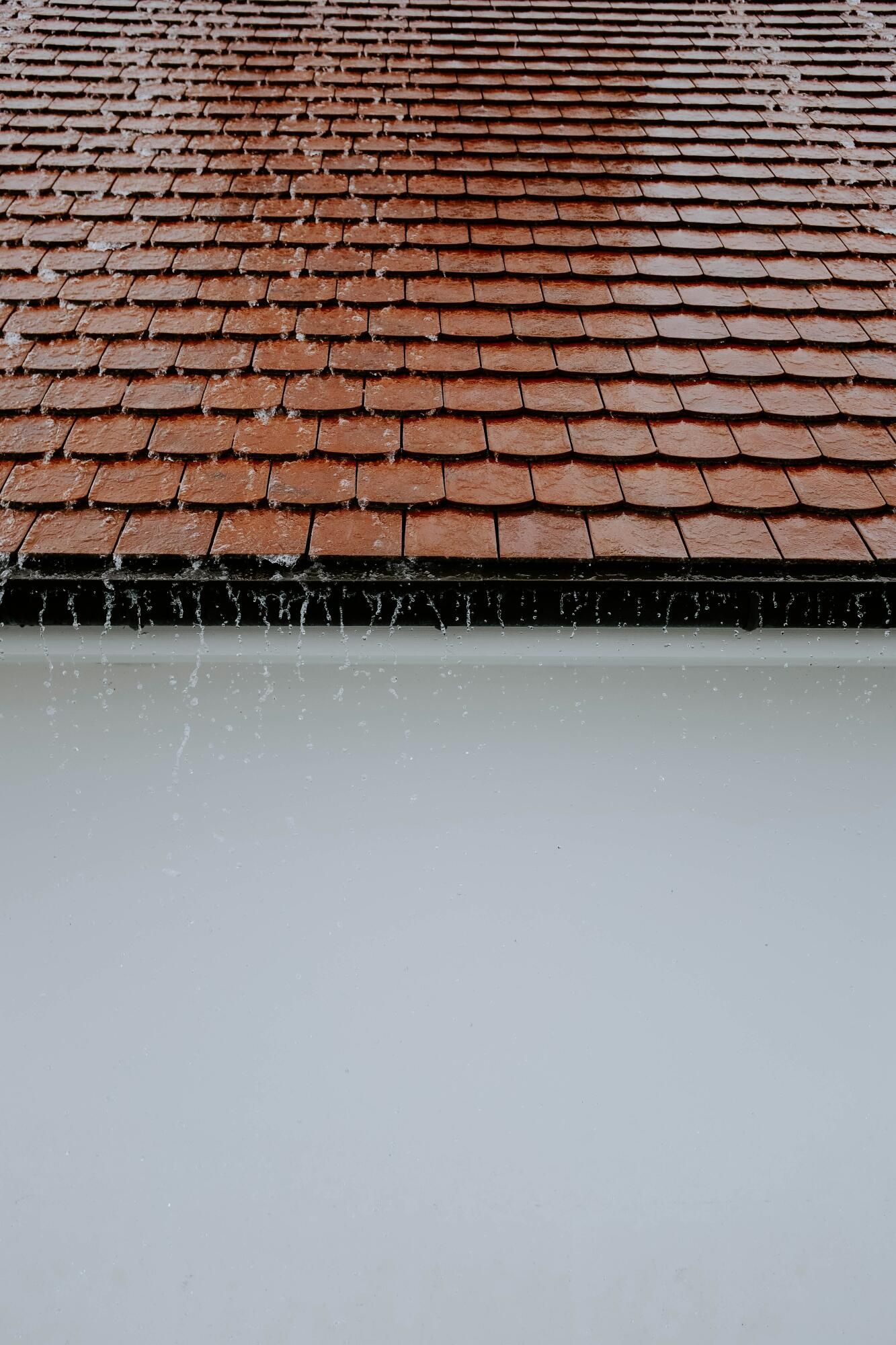
Common roof leaks start with small problems such as damaged flashing, cracked sealant, loose fasteners, blocked gutters, or worn roof penetrations. Many stay hidden during dry weather and only reveal themselves once heavy rain gives water a path inside.
You may not know there is a problem with your roof until the rain arrives. Ceiling stains, damp patches, or steady drips can be the first obvious sign that water has already found a way inside.
The frustrating part is that the source may be nowhere near the stain you see indoors. Water can travel along rafters, decking, or insulation before it finally shows itself on a ceiling or wall.
By then, what looked like a sudden roof leak may have been developing quietly for some time.
What Is the #1 Cause of Roof Leaks?
Damaged or failed flashing is the most common source of roof leaks. Flashing seals vulnerable areas around chimneys, vents, skylights, valleys, and roof-to-wall joints, where water is more likely to find an opening.
Once flashing loosens, corrodes, cracks, or separates from its sealant, rainwater can slip beneath the roofing material and into the structure.
What Other Common Problems Cause Roof Leaks?
Flashing may be a leading culprit, but it’s not the only place rainwater gets in. Several other roof problems can stay unnoticed until bad weather exposes them.
- Clogged gutters can cause water to back up along the roof edge instead of draining away
- An aging roof may develop cracked, brittle, or missing materials as years of weather exposure add up
- Poor installation can leave gaps around shingles, underlayment, flashing, or roof penetrations
- Storm damage from strong winds may lift roofing materials or create openings that let water in
Many of these problems are easy to miss from the ground, especially when the roof still looks intact at a glance.
Why Is My Roof Leaking When It Is Not Raining?
A roof can keep leaking after the rain stops because water may already be trapped beneath the roofing materials or inside the insulation. It can take hours, or sometimes longer, for that moisture to travel far enough to appear indoors.
Condensation is another possibility. Warm indoor air meeting a cold roof surface can create attic moisture, especially when ventilation is poor. Plumbing or HVAC leaks can also mimic a roof leak.
When Roof Leaks Need Professional Attention
A small ceiling stain does not always reveal the true source of the leak. Water may enter several feet away, then travel along timber, insulation, or roof decking before it finally appears indoors.
If the leak keeps returning, spreads after each storm, or comes with sagging ceilings or damaged insulation, a professional inspection makes sense.
National Capital Roofing can assess the roof, trace the entry point, and recommend the repair needed to stop further water damage.
Fix Roof Leak Problems Before the Next Storm
A roof leak never improves on its own. In fact, it gets worse the more it goes unattended. Finding and repairing damaged flashing, drainage problems, loose materials, or hidden entry points early can help prevent a minor leak from turning into damaged ceilings, insulation, or structural repairs that will cost a lot of money to fix.
Explore our website for more ideas on protecting your home before the next problem shows up.