Rainy-season maintenance tasks that homeowners tend to forget
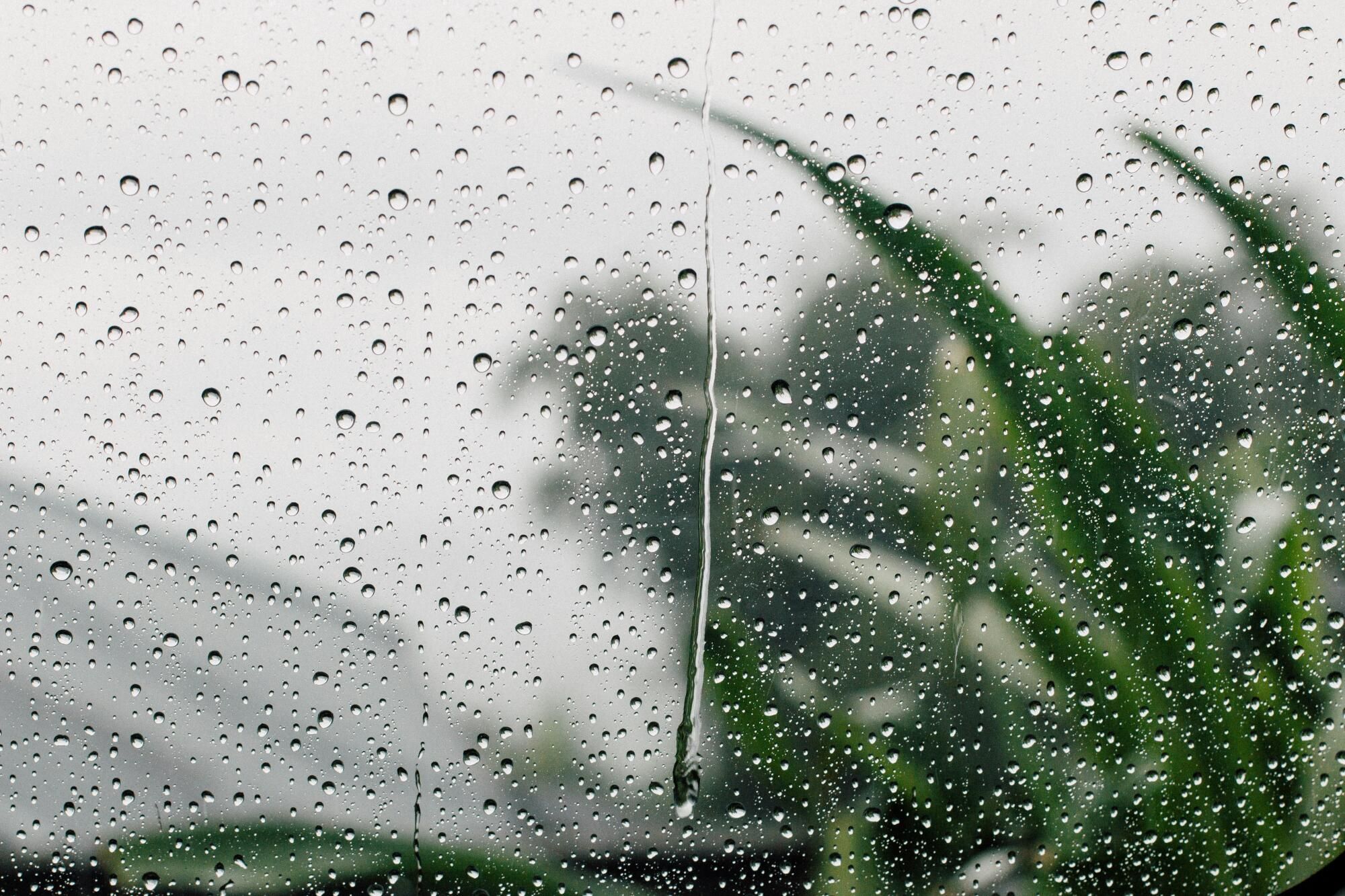
Get your home ready for the rainy season by prepping drainage features from gutters to landscape grading. Test that sump pump beforehand and seal all windows and doors with caulking, shutters, and impact-resistant replacements.
The Pennsylvania Association of Realtors reported that over 44% of American homes are at risk from environmental threats. Therefore, a homeowner unprepared for wet weather can face escalating costs related to flood damage and wind-blown projectiles.
Why Do I Need Extra Prep for the Rainy Season?
Focusing more on rain preparedness can protect your biggest asset from expensive damage.
If your basement floods, it could ruin your foundation and make your home unlivable. Heavy downpours are a common source of roof leaks, which may go unnoticed while eating away at your roof and foundation.
As this wet damage enters your home, it can create another health hazard: mold and mildew. Mold is a toxic hazard that produces spores that can spread through your indoor air and affect respiratory health. Fixing it requires mold remediation, which can be costly and is required if you ever want to sell the home.
What Home Maintenance Tasks Do People Often Overlook?
People often forget about the lifespan of their sump pump, which should be replaced about every 7 to 10 years. Even if it’s new, you should test it before it rains to ensure it’s moving water out of your basement accordingly.
Don’t forget your landscape, as negative yard grading is a big issue when soil settles over time and traps water near your basement walls. Ask yourself whether your downspout is long enough, as people often overlook extending it.
What Easy Steps Can Prevent Water Damage?
Start with your roof drainage and clear out your gutters and downspout openings of debris and leaves. Check out https://lifetimerestorationinc.com/gutter-installation/ for more insights.
Do a quick visual check from the ground to see if your roof has any missing or loose shingles. Use binoculars to see if you spot those pieces and call for a professional exterior inspection if needed. If you have a chimney, check the flashing for any gaps or cracks, as water can easily seep through there.
Create a landscape slope that’s at least 6 inches downward. Proper gradation can automatically usher water away from your foundation and towards public drainage.
If you have enough time and a green thumb, take advantage of living in a wet area by building out a rain garden. It will naturally soak up excess rainwater and minimize runoff to produce a beautiful biodiverse area that will maintain itself once established. Ideally, you should create it 15 feet away and downhill from the foundation.
Get Your Home Rain Ready
Don’t let the rainy season destroy your home sanctuary. Prepare now by checking your surrounding drainage, testing your sump pump, and clearing gutters.
Caulk your entryways and invest in better protection with shutters and double-pane windows in case strong winds come with the rain. Check for leaks, but stop them beforehand with a professional roof inspection.
Learn more about home improvement and relevant topics by searching our website.