Why pharmaceutical water systems sit at the center of contamination control programs
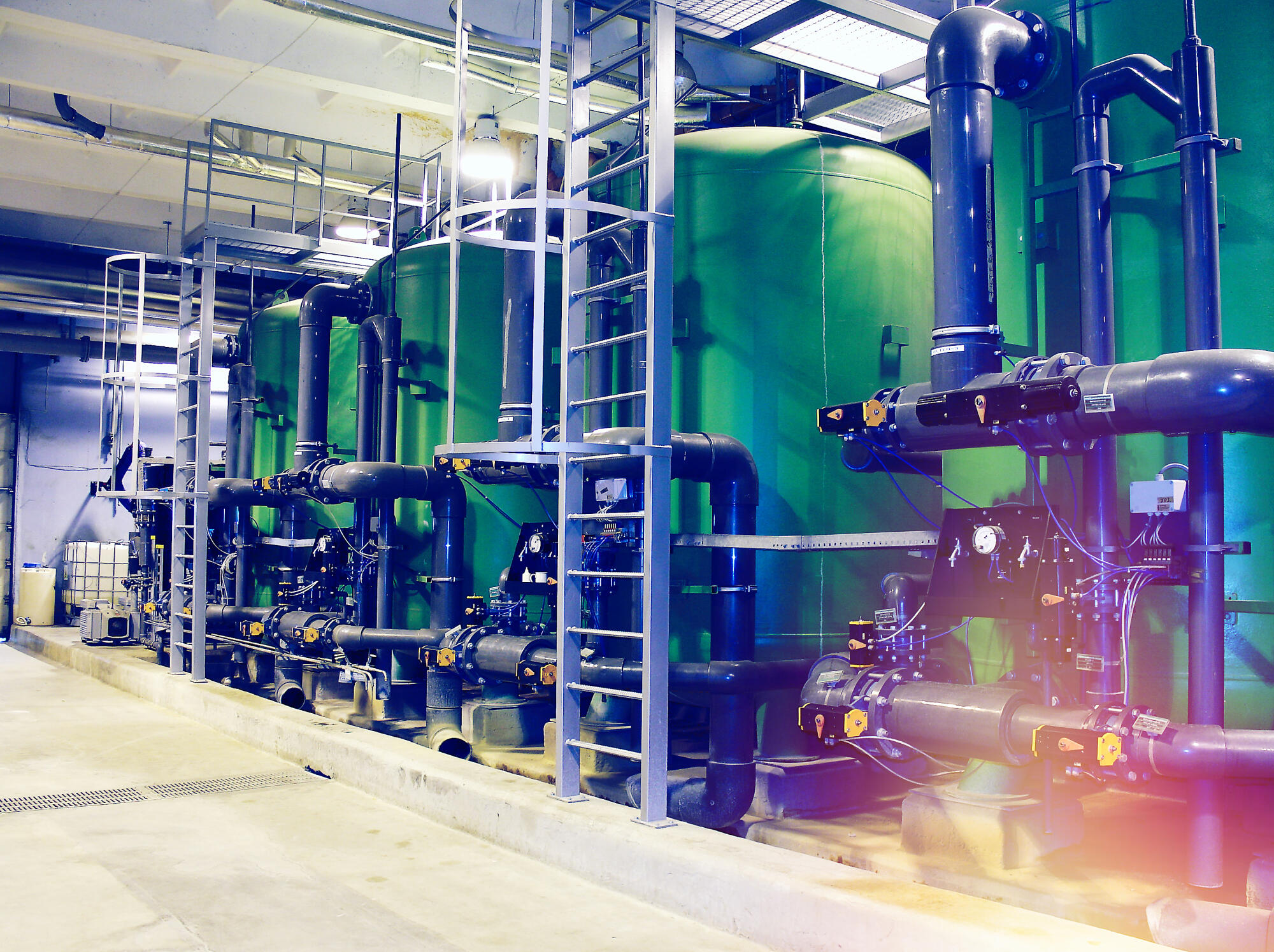
Pharmaceutical water systems sit at the heart of contamination control. Hygienic design and rigorous monitoring prevent biofilms from threatening drug safety.
The FDA sent Acme United Corporation a warning letter in October 2025 after inspectors linked recurrent recoveries of Burkholderia cepacia in the company’s water system to a stubborn biofilm that withstood repeated sanitization attempts.
Contamination persisted at the holding tank and at the points of use, and microbiological monitoring at numerous sampling points yielded results that were “too numerous to count” according to the report.
That kind of cascade is why pharmaceutical water systems sit at the core of contamination control programs at every serious manufacturing facility.
Pharmaceutical Water Systems and Contamination Control
One of the most important raw materials at any manufacturing facility is water, and the quality of the water directly affects the safety and regulatory compliance of the medications produced by a pharmaceutical facility.
Even small deviations can lead to huge risks as pharmaceutical products need to be precisely manufactured to the highest possible standard. Each grade of water must meet its predefined specifications both to prevent contamination and ensure product quality.
Microbiological contamination can compromise sterility, while particulate contamination compromises product purity.
Water Quality Management
By looking at inspection data, we can see the scale of the problem. Deficiencies relating to water system validation show up in around 30% of GMP inspection findings for utilities at drug-making sites. Typical problems found in these inspections include:
- Qualification gaps
- Microbial excursions
- Monitoring that fails to catch problems early on
It’s not that these manufacturing plants are negligent; it’s just that it’s genuinely difficult to maintain meticulous water quality across complex systems that are continuously in operation.
According to Pharmuni, Biofilm is possibly one of the biggest threats to water quality. Biofilm formation can begin within just 6 to 12 hours once flow velocity drops below 0.7 meters per second.
Once a biofilm establishes itself in the system, contamination risk is ongoing, which is why stringent regulations for controlling biofilm exist. Systems supplying sterile manufacturing water need to undergo routine sanitization to keep the threat of microbes in check.
Hygienic Water System Design
A hygienic contamination control design is one of the main commercial water sterilization methods before the water starts flowing. The design of the system itself can ensure continuous circulation and effective drainage. Material selection is important, and 316L stainless steel is required for all wetted surfaces due to its corrosion resistance.
Recirculation loops need to flow in such a way that they minimize microbial adhesion. A system without these qualities will be impossible to keep clean, even if the technicians are diligent.
Contamination Control Is the Foundation of Pharmaceutical Manufacturing
Pharmaceutical water systems are at the heart of drug manufacturing, and problems in the water supply system design or sanitization protocols can have serious consequences. The contamination control systems need to be designed well, and they need to be installed and maintained by knowledgeable operators.
Getting the water right is crucial because the water system is the foundation that the rest of the manufacturing process stands upon. If you’re interested in reading more about a similar topic, see our other blog posts.